
7 Warning Signs of Rat Infestation in London Homes
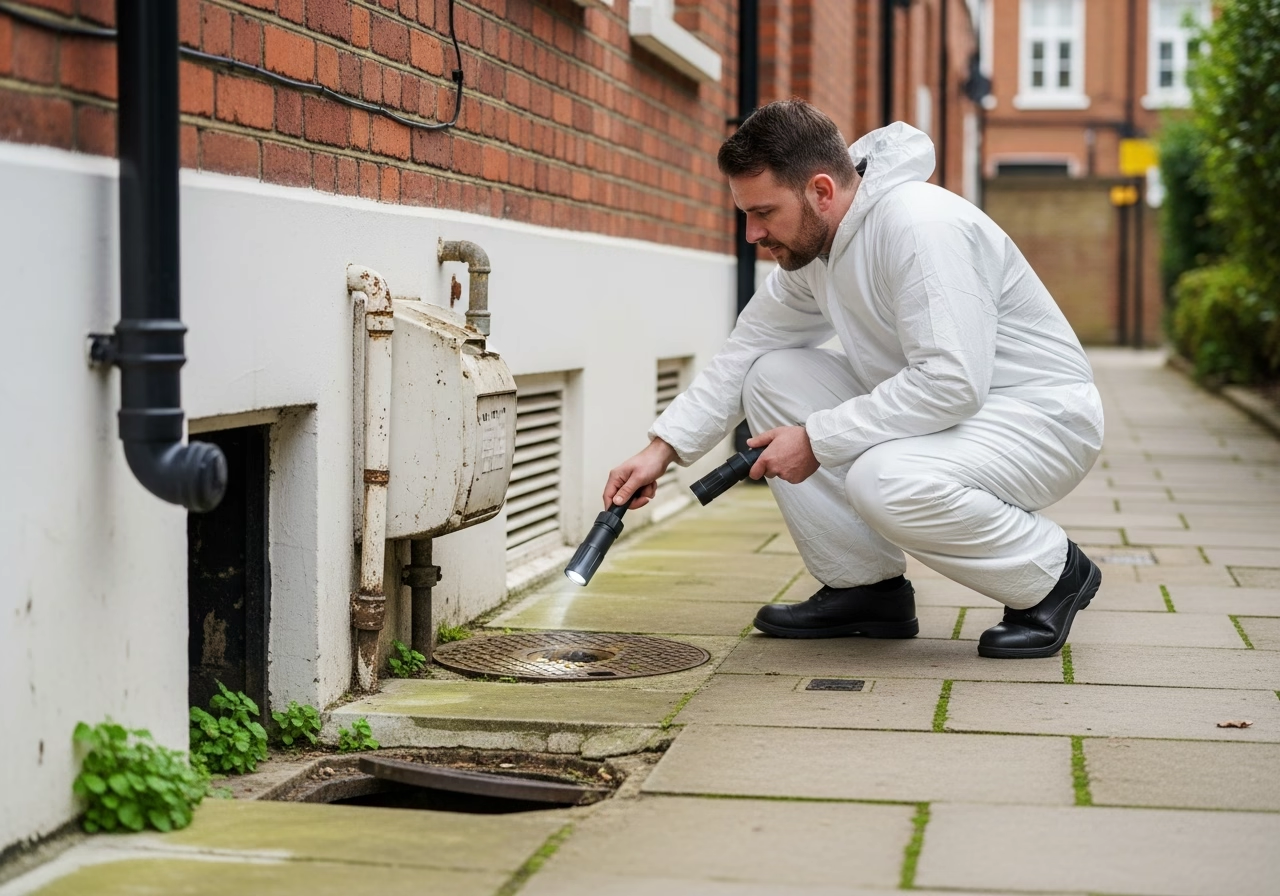
Detecting rat infestations early is crucial for London homeowners and businesses. As NPTA-certified pest control specialists with 15 years of experience across London boroughs, we've helped countless properties tackle rat problems before they escalate. Here are the seven warning signs you should never ignore.
Need Immediate Help?
If you've spotted multiple signs or live rats, don't wait. Early intervention prevents extensive damage and health risks.
Emergency Line: +44 203 813 17991. Rat Droppings
The most obvious sign of rat activity in London properties is finding droppings. Fresh rat droppings are dark brown to black, about 12-18mm long, and have pointed ends. You'll typically find them:
- Along walls and skirting boards
- In kitchen cupboards and drawers
- Near food sources
- In loft spaces and basements
- Around water sources like pipes
Professional tip: Fresh droppings are soft and dark. Old droppings become grey and crumbly. Finding fresh droppings means active infestation requiring immediate professional rat control.
2. Gnaw Marks and Damage
Rats have continuously growing teeth and must gnaw constantly. In London homes, look for:
- Chewed food packaging in pantries
- Gnawed wooden furniture or skirting boards
- Damaged electrical cables (fire hazard)
- Holes in walls, particularly near pipes
- Torn fabric or insulation
Fresh gnaw marks appear light-coloured and become darker with age. Any electrical damage requires urgent attention for safety reasons.
3. Unusual Sounds
Rats are most active at night. London residents often report hearing:
- Scratching sounds in walls or ceilings
- Scurrying footsteps, especially above bedrooms
- Squeaking or chittering noises
- Rustling sounds from food storage areas
These sounds are typically more noticeable in older London properties with cavity walls and period features where rats find easier access routes.
4. Grease Marks and Smudges
Rats leave greasy rub marks along their regular routes. Check for:
- Dark smudges along walls at floor level
- Grease marks around holes and entry points
- Dirty marks on pipes and beams
- Staining on frequently used pathways
These marks become more pronounced with heavy infestations and indicate established rat highways through your property.
5. Strong Ammonia-Like Odour
Rat urine produces a distinctive, strong smell that becomes unmistakable in enclosed spaces. This odour is particularly noticeable:
- In cupboards and storage areas
- Basements and cellars common in London terraced houses
- Loft spaces and roof voids
- Areas with poor ventilation
The smell intensifies with larger infestations and indicates significant rat activity requiring professional intervention.
6. Pet Behaviour Changes
Dogs and cats often detect rat presence before humans notice other signs. Watch for:
- Dogs barking at walls or specific areas
- Cats becoming fixated on certain rooms
- Pets refusing to enter previously comfortable spaces
- Unusual scratching at walls or furniture
- Agitated behaviour without obvious cause
London pet owners often report this as the first sign they notice, especially in Victorian conversions where rats use the extensive cavity networks.
7. Visible Entry Points
Rats can squeeze through gaps as small as 15mm. Common entry points in London properties include:
- Gaps around pipes and cables
- Damaged air bricks or vents
- Holes in external walls
- Gaps under doors, especially to gardens
- Damaged roof tiles or fascias
- Cracks in foundations common in period properties
Health Risks of Rat Infestations
Rats pose serious health risks to London residents, including:
Diseases Spread by Rats
- Weil's Disease (Leptospirosis): Potentially fatal bacterial infection
- Salmonellosis: Food poisoning from contaminated surfaces
- Rat-bite fever: Bacterial infection from bites or scratches
- Hantavirus: Respiratory illness from rat droppings dust
Professional treatment is essential not only to eliminate rats but to properly sanitise contaminated areas using approved methods safe for occupied properties.
What to Do If You Spot These Signs
Immediate Steps
Why Choose Professional Rat Control in London
London's urban environment presents unique challenges for rat control. Our NPTA Level 2 and RSPH certified technicians understand:
- Local rat behaviour patterns in different London boroughs
- Building structures common to Stratford, Hackney, and East London
- Safe treatment methods for occupied properties
- Prevention strategies for London's housing types
- Legal requirements for commercial premises
We provide rapid response across our 25-mile service radius covering Stratford, Hackney, East Ham, Barking, Ilford, Dagenham, Holloway, Walthamstow, Chigwell, Wood Green, Harringay, and Canary Wharf.
Preventing Future Rat Problems
After professional treatment, maintain a rat-free London property by:
- Sealing all entry points with appropriate materials
- Maintaining good sanitation and food storage
- Regular property inspections, especially in autumn
- Addressing drainage and dampness issues
- Professional ongoing monitoring for commercial premises
Spotted Signs of Rats in Your London Property?
Don't wait for the problem to worsen. Our NPTA-certified technicians provide rapid response across London with modern approved treatments safe for occupied properties.
Emergency callouts available across Stratford, Hackney, East Ham, and all London areas
Related Articles
Mouse Control vs Rat Control
Understanding the differences between mouse and rat infestations and why treatment methods vary.
Learn MoreCommercial Pest Control
How London businesses can protect against rat infestations with regular monitoring contracts.
Learn More